How to Audit Your Brand: 5 Areas to Evaluate Before You Change Anything
Have you ever looked at your branding and thought, "Something just isn't working, but I can't figure out what it is?"
Maybe your website looks great, but you're struggling to attract the right customers. Or your marketing materials look like they belong to completely different businesses.
When something feels off, it's tempting to start making changes. A new logo, different colors, updated website, or another round of Canva templates.
But before you start changing things, do you know what's actually causing the problem?
That's where a brand audit comes in.
What Is a Brand Audit, and Why Does It Matter?
A brand audit is an opportunity to step back and evaluate how effectively your brand is working for your business.
And I don't just mean whether your logo looks professional.
Your brand is the overall impression people have of your business. It's shaped by what you communicate, how you present yourself, and what people experience when they interact with you.
When those elements aren't aligned, you can end up putting a lot of effort into marketing without understanding why it's not connecting.
The purpose of a brand audit isn't necessarily to decide whether you need a rebrand. It's to understand what's working, what's missing, and what deserves your attention.
Sometimes a small adjustment makes a big difference. Other times, an audit reveals that the problem goes deeper than the visuals.
Either way, it's better to know before investing more time or money into changes.
5 Areas Worth Evaluating in Your Brand
When I evaluate branding, I'm looking at more than whether the designs look good. Here are five important areas to consider when reviewing your own business.
1. Brand Foundation: Do You Know What You're Building?
Before you can communicate your business effectively, you need to understand what makes it different and who you're trying to reach.
Think about your target audience and how your business is positioned in the market.
Ask yourself: If someone asked why they should choose my business over another option, could I give them a clear, meaningful answer?
If you're struggling to answer that question, your branding may need more strategic direction before it needs another design update.
2. Messaging: Are People Understanding What You're Saying?
You know your business inside and out. Your potential customers don't.
Sometimes we're so familiar with what we offer that we forget how much context someone needs to understand it.
Visit your website and read your homepage as though you're encountering the business for the first time.
Would someone immediately understand what you offer and why it's relevant to them?
Good messaging shouldn't make people work to figure out what your business does.
3. Visual Identity: Do Your Visuals Reflect Your Business?
Your logo, typography, colors, and imagery all influence how people perceive your brand.
But good design isn't just about looking attractive. Your visual identity should reflect the kind of business you're building and communicate an appropriate level of professionalism.
For example, if you're positioning your business as a premium service, but your marketing materials look inconsistent or unfinished, you may be creating doubt before someone even contacts you.
Ask yourself whether your visual identity supports the impression you want people to have.
4. Brand Consistency & Systems: Can You Maintain Your Brand?
A professional brand shouldn't only look good when a designer is working on it.
It needs to function in everyday business operations.
Think about the last few marketing materials you've created. Did you follow established brand guidelines, or did you make decisions about fonts, colors, and layouts as you went?
If you're constantly reinventing your brand with every new project, you may be missing the systems that make consistency easier.
A strong brand system should simplify your decisions, not create more of them.
5. Brand Experience: Does Your Business Deliver on Its Promises?
Your branding creates expectations, but your customers' experiences are what reinforce or challenge them.
If your website communicates a highly personalized service, does your inquiry process feel personal? If you promise simplicity, is it actually easy to work with you?
Consider the experience someone has from discovering your business to becoming a customer.
Your brand should feel like the same business throughout that journey.
How to Start Auditing Your Own Brand
You don't have to be a designer to begin identifying areas that need attention.
Start by looking at your website and a recent marketing piece side by side.
Consider whether they communicate the same message, appeal to the same audience, and feel like they belong to the same business.
Then look beyond the visuals. Is your positioning clear? Are your marketing decisions intentional, or are you constantly trying something new because you're unsure what's working?
As you review your brand, look for patterns rather than isolated imperfections.
One inconsistent graphic probably isn't a major concern. But if your branding looks different everywhere, that's worth investigating.
And remember, not every issue deserves the same amount of attention.
An unclear message that prevents customers from understanding your services is likely more important than adjusting a shade of blue.
The goal is to identify what will make the most meaningful difference to your business.
Want a More Complete Picture of Your Brand?
Evaluating your own work objectively can be difficult. You're familiar with every decision you've made, and sometimes that makes it harder to recognize what's missing.
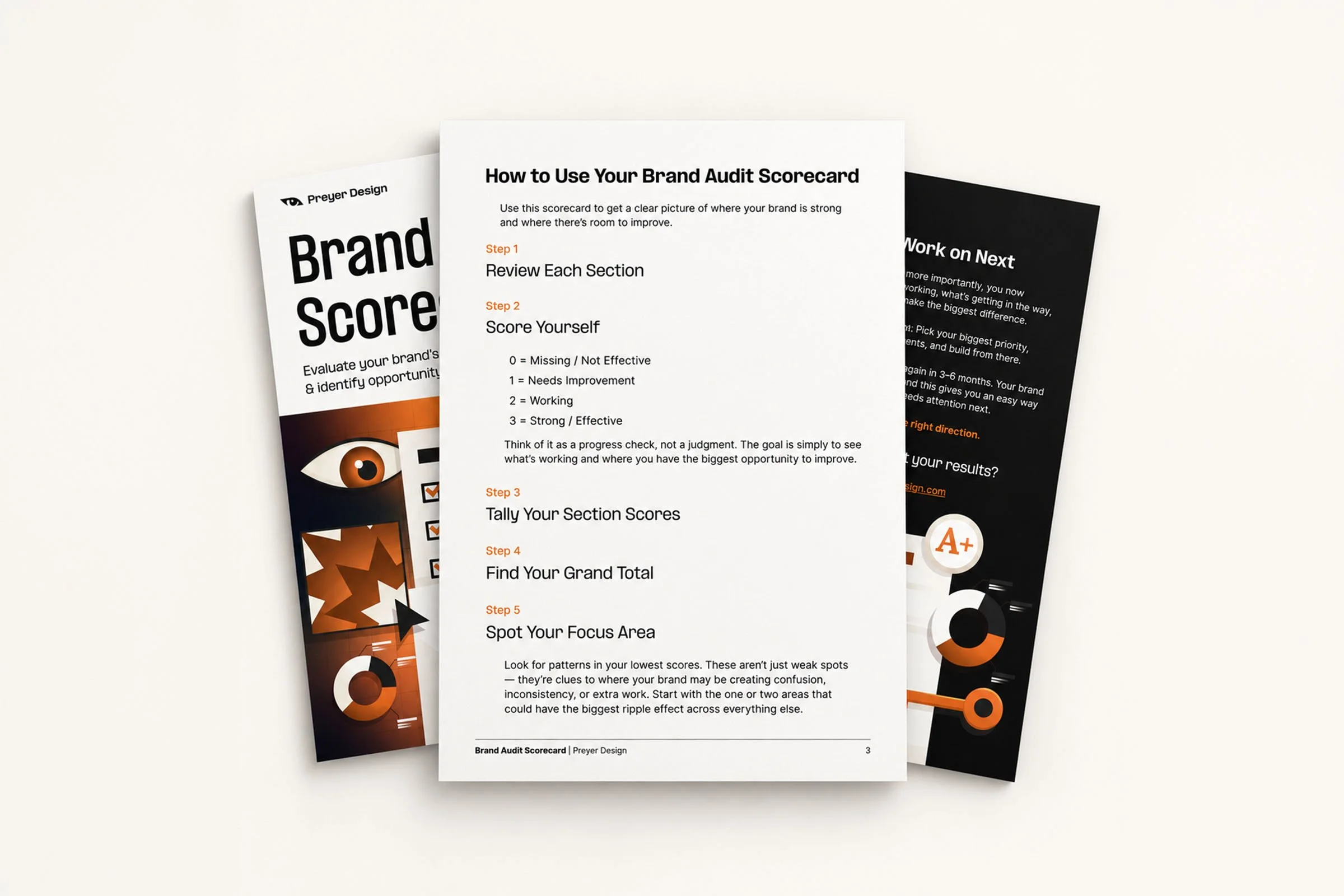
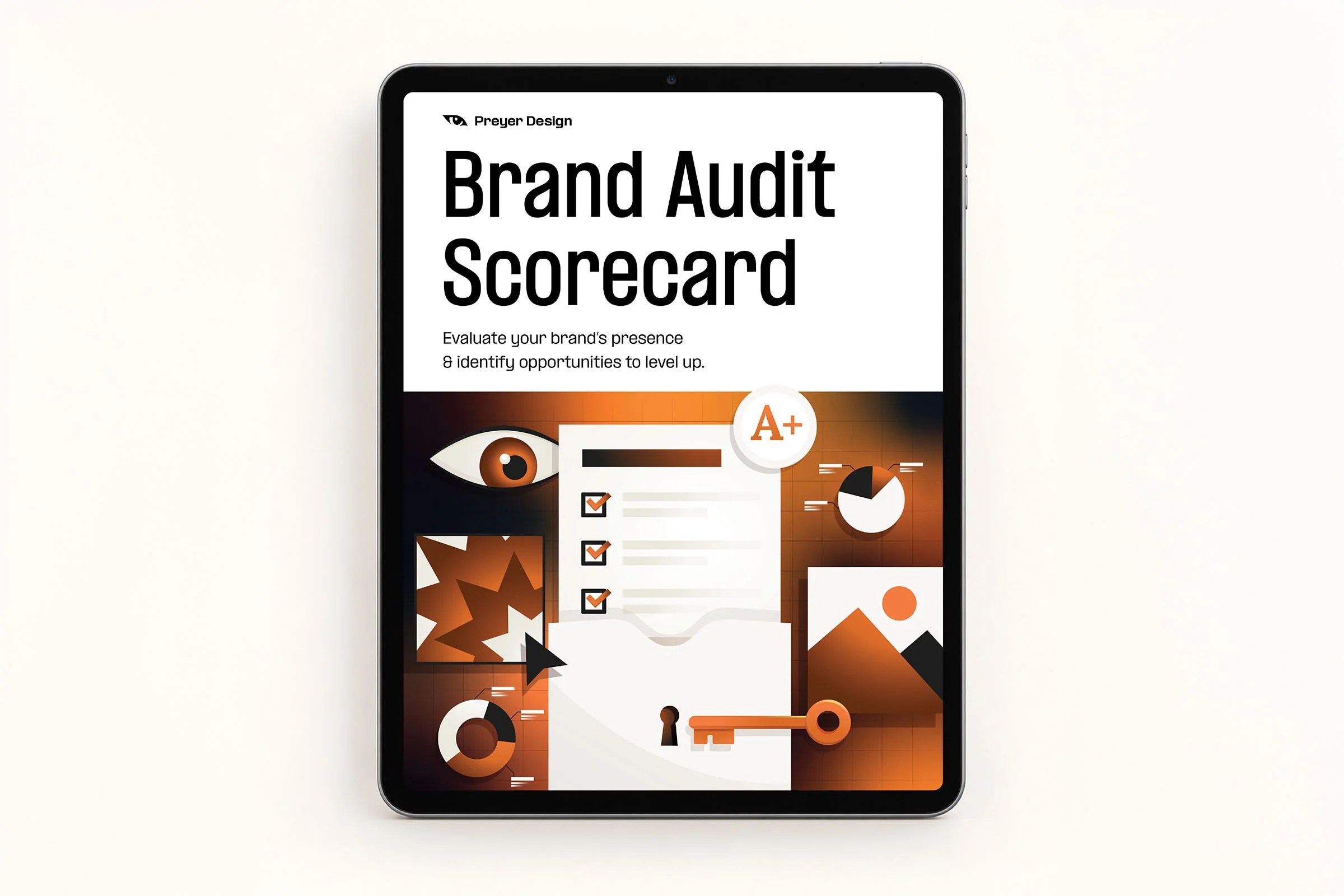
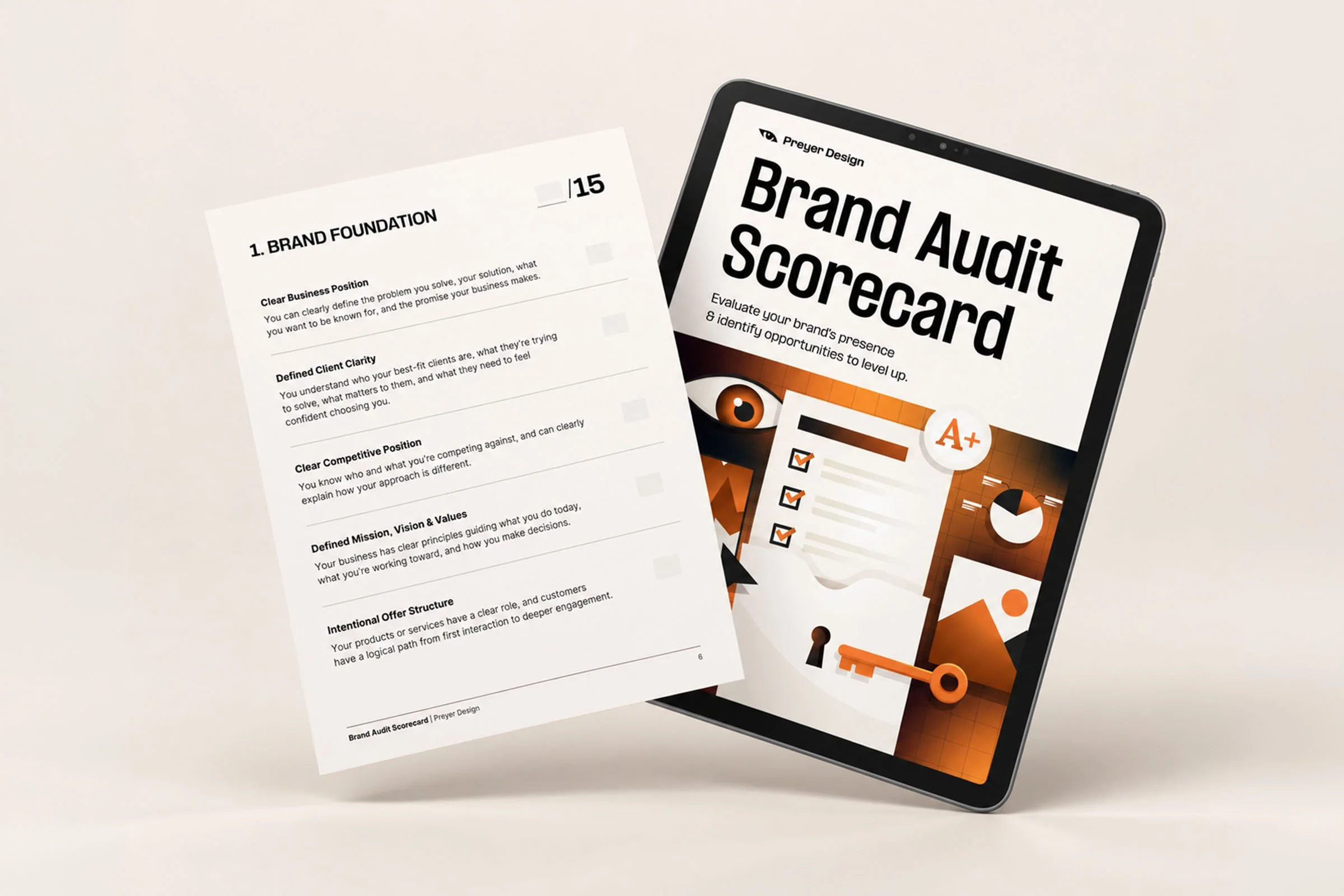
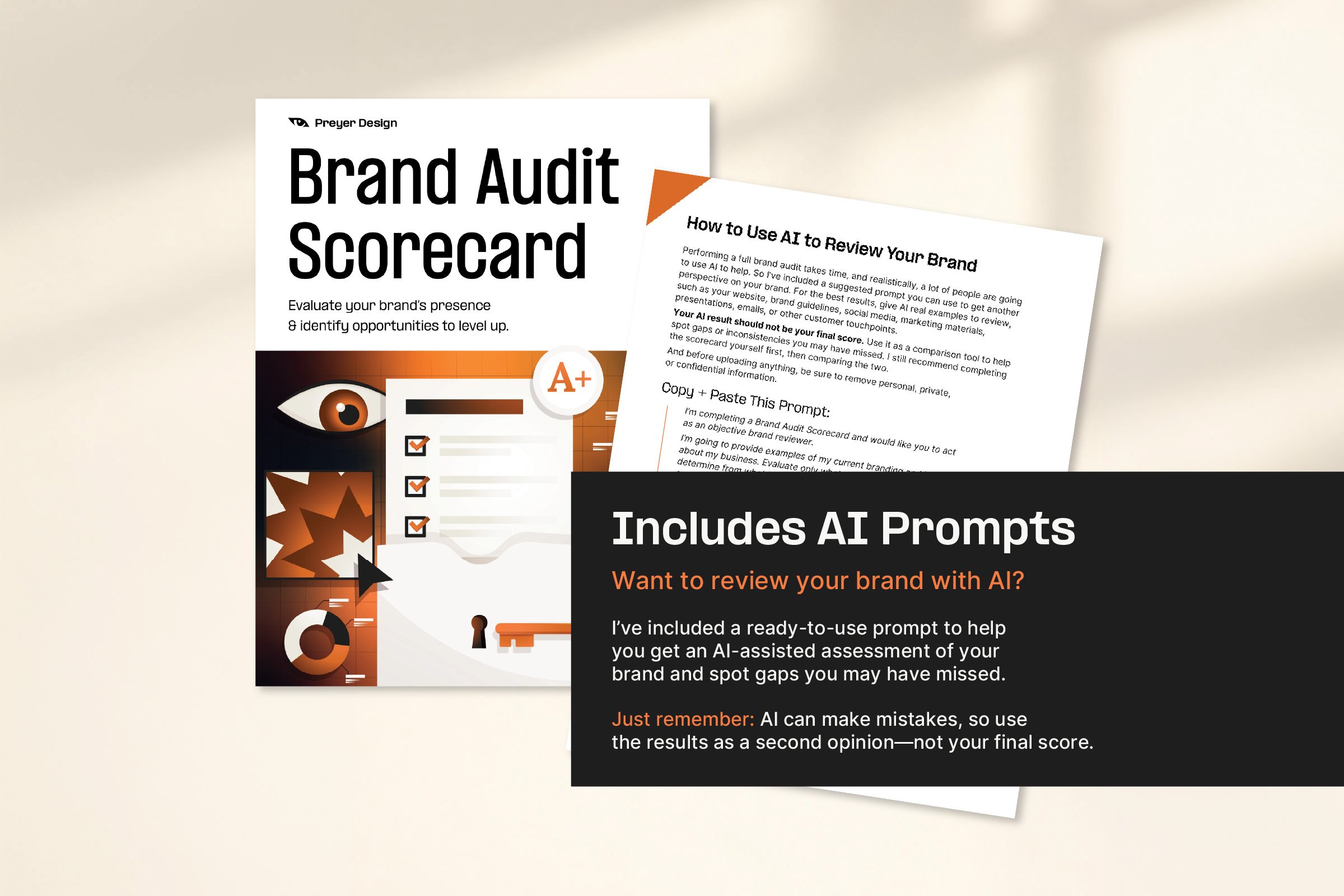
That's why I created the Brand Audit Scorecard.
It's a $19 guided self-assessment designed to help business owners evaluate their branding with a more critical, structured approach.
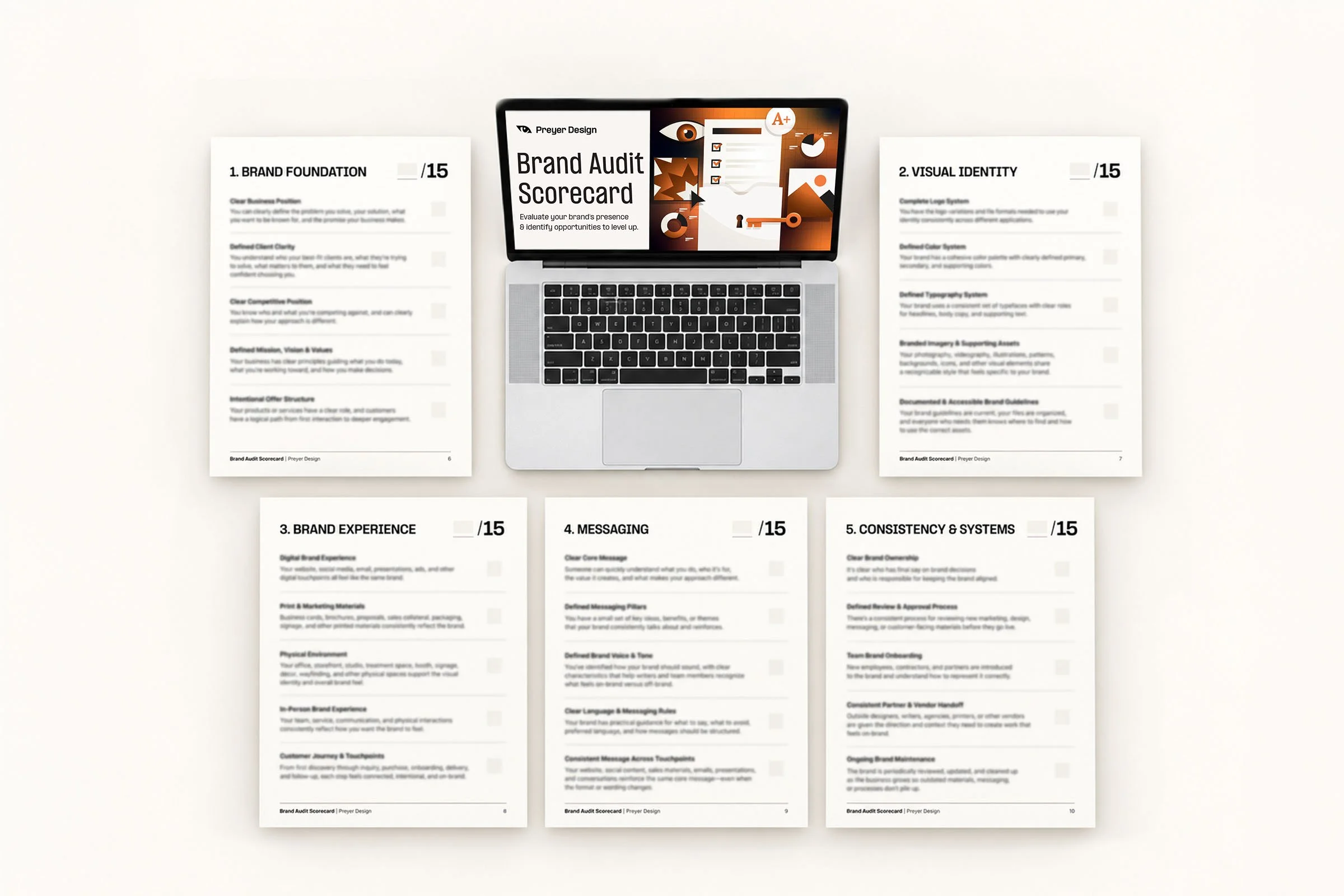
Rather than guessing what needs improvement, you'll work through 25 assessment points across five areas of your brand:
Brand Foundation
Messaging
Visual Identity
Brand Consistency & Systems
Brand Experience
You'll score each item on a scale of 0–3, review your results, and identify which areas need the most attention. There's also an optional AI-assisted second opinion to help you compare your assessment with an outside perspective.
You don't need to know everything about branding to start improving yours.
You just need a better understanding of where you stand.
Before you spend more time fixing the surface, make sure you understand the structure underneath it.